High temperatures and humidity put extra strain on the body, especially for children, older adults and people living with chronic conditions like hypertension or diabetes.
Stay hydrated
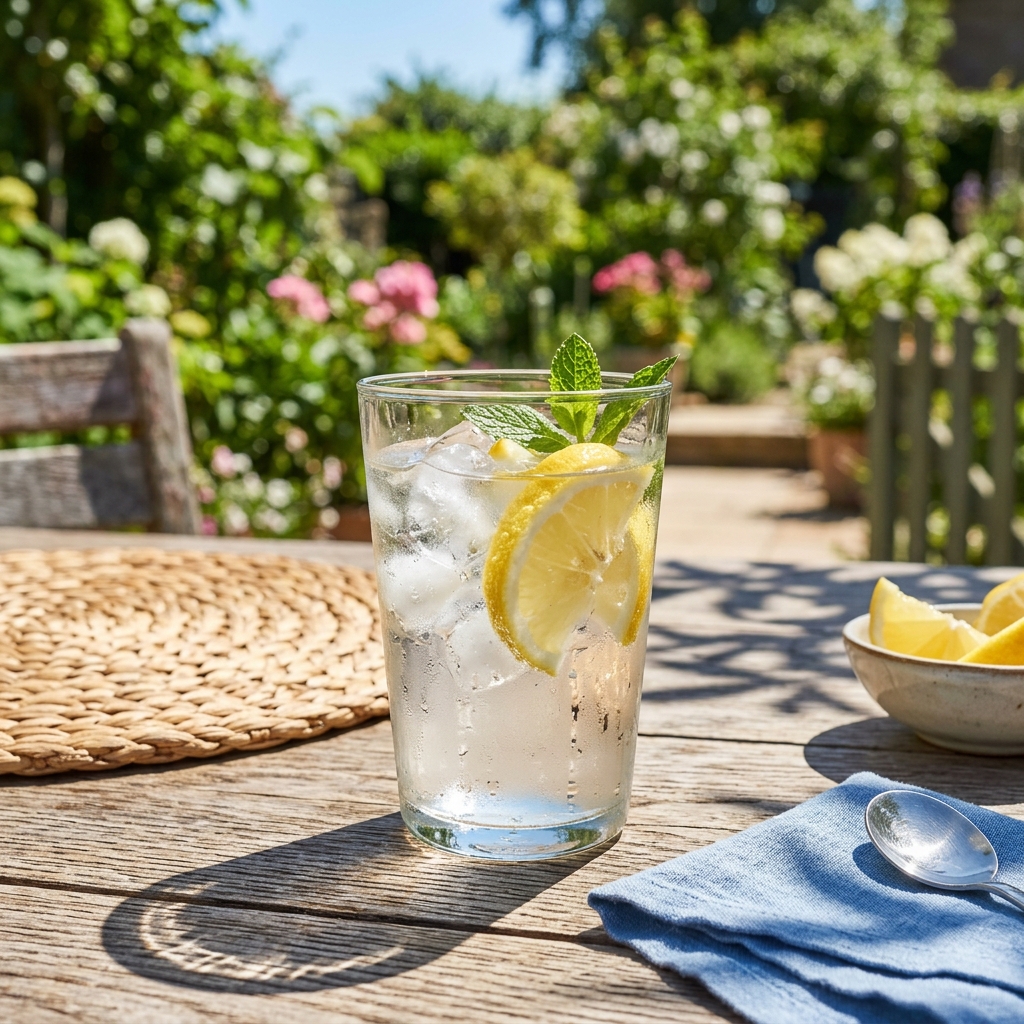
Drink water regularly through the day rather than waiting until you are thirsty. Pale yellow urine is a good sign you are drinking enough. Limit sugary drinks and alcohol, which can worsen dehydration.
Protect your skin
- Wear loose, light-coloured cotton clothing
- Use a broad-spectrum sunscreen of SPF 30 or higher on exposed skin
- Shower after heavy sweating to reduce heat rash and fungal infections
Know the warning signs
Dizziness, headache, nausea, muscle cramps and heavy sweating can signal heat exhaustion. Move to a cool place, loosen clothing and sip water or ORS. Confusion, a very high temperature or fainting needs urgent medical attention.
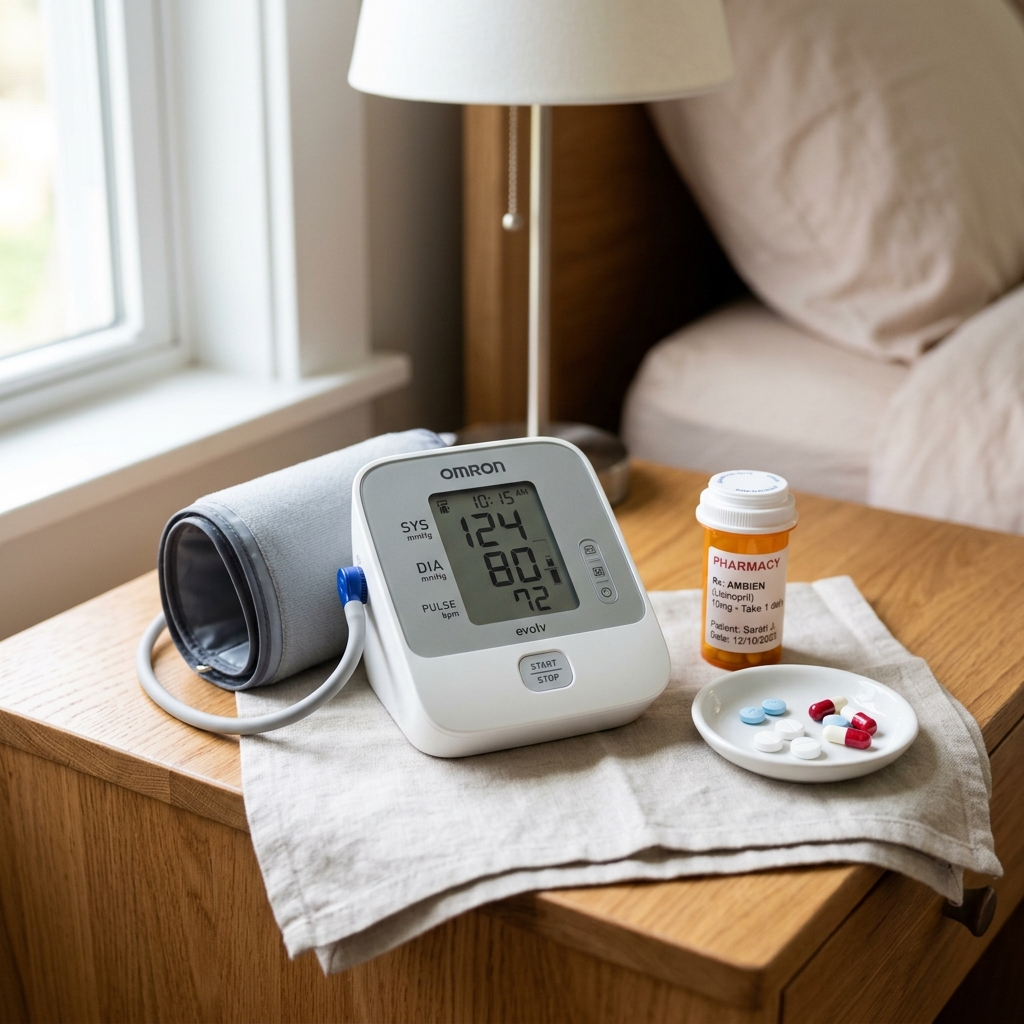
If you take regular medication, ask your pharmacist whether heat affects how it works or how it should be stored.
This article is general information, not a diagnosis.
For advice about your own health or medicines, speak to one of our pharmacists. It's free.
Talk to a Pharmacist